Publications
Peer-Reviewed Research
The laboratory's published record on hypobaric hypoxia, pulmonary vascular biology, thrombosis, and high-altitude medicine — research articles, reviews, and editorials indexed in PubMed.
Editorial
To Descend or Not: Is Sea Level Relocation Essential for Patients With Pulmonary Arterial Hypertension at High Altitude?
Mishra A
Chest · 2026
PubMed · PMID 42575639Read publication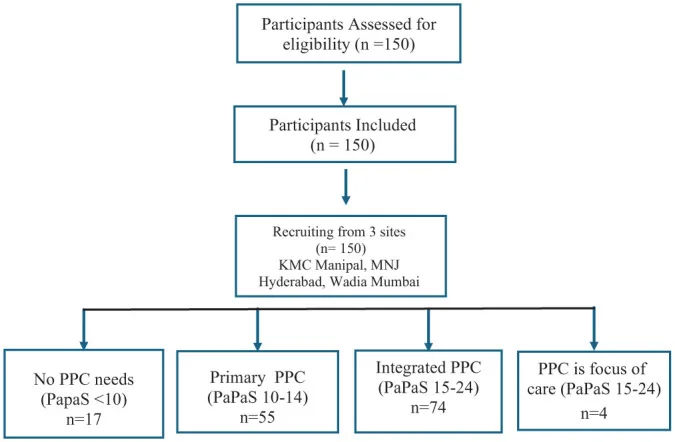
Journal Article
Assessing the palliative care needs of children with cancer and their families in tertiary care centres in India: A multicentre observational study.
Verma V, Rao KS, Ghoshal A, Bhat K V, D H, Sanian A, Mishra A, Sakpal A, Bagalkote M, Sravani B, Iyengar A, Mudaliar S, Palat G, Dinand V, Salins N
Palliative care and social practice · 2026
BACKGROUND: Children with cancer face a significant physical and psychosocial burden, highlighting the need for paediatric palliative care (PPC). Global estimates indicate that over 21 million children require PPC. However, in low- and middle-income countries such as India, the need is largely unknown, and access remains limited, necessitating the conduct of this study. METHODS: A multicentre, prospective, cross-sectional study was conducted across three tertiary cancer centres in India to assess the palliative care needs of 150 children with cancer and their families using the Paediatric Palliative Screening Scale (PaPaS). The PaPaS tool evaluated five domains, and the total scores were used to stratify the need for PPC. The three participating centres differed in patient flow and the extent of palliative care integration, representing academic and public healthcare settings. RESULTS: Based on PaPaS scores, 49.3% of children with cancer had moderate (secondary) palliative care needs, 36.7% required introduction to palliative care, 11.3% had minimal needs that paediatric oncologists could manage, and 2.7% required palliative care as the focus of treatment. Psychological distress was significantly higher among family caregivers (57%) than in patients themselves (33%). While 91% of families were open to palliative care discussions, clinicians perceived that only 4.7% (7/150) of children would likely benefit from referral to palliative care services. Domain-specific analysis revealed significant correlations between treatment burden, family distress, and overall palliative care needs. CONCLUSION: There is a significant unmet need for integrated PPC among children with cancer in India, exacerbated by a very small number of them accessing care due to non-referral by oncologists or the unavailability of PPC.
PubMed · PMID 42170187Read publication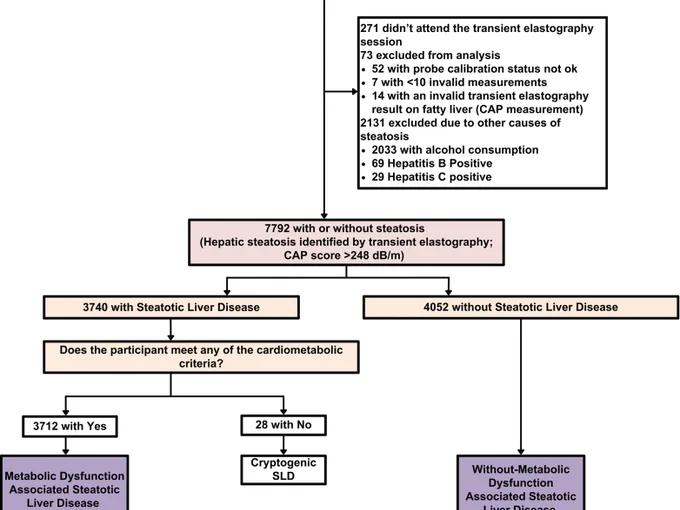
Journal Article
Burden of MASLD and liver fibrosis: evidence from Phenome India cohort.
Arvind M, Verma A, K SR, Prakash S, Kumar VS, Uddin MA, Narayan A, Rathore M, Rawat N, Sahu A, Kumar Y, Leuva PH, Sharma M, S R, Saha D, Mridha A, Nath IJ, Hussain A, Rajkumari B, Thapa M, Kumari N, S V, Chatterjee S, Ganguly D, Awasthi A, Yenamandra VK, Singh AP, Mishra A, Raychaudhuri S, Tallapaka KB, Chandak GR, Kulkarni MJ, Dharne MS, Wahengbam R, Subudhi U, Biswas S, Shalimar, Chaudhary K, Sengupta S, Chakrabarti P, Sardana V, Phenome India Consortium
The Lancet regional health. Southeast Asia · 2026
BACKGROUND: Metabolic-dysfunction-associated steatotic liver disease (MASLD) is rising globally, including in India, yet community-based data remain scarce. We address this critical knowledge gap by assessing the prevalence, distribution, and characteristics of MASLD subgroups and fibrosis, leveraging the Phenome India cohort. METHODS: In this prospective study, we recruited 10,267 adults across 37 laboratories of the Council of Scientific and Industrial Research (CSIR) from 27 Indian cities. All permanent staff members of the CSIR, including current employees, retirees, and their spouses who responded to the recruitment campaign and provided voluntary consent, were considered for participation in the Phenome India Cohort. Steatosis and fibrosis were assessed using Transient Elastography, along with associated clinical, biochemical, cytokine and anthropometric data. Overall, crude and age-adjusted prevalence rates were estimated in the study population and various subgroups. FINDINGS: Of 10,267 individuals screened, 7764 were included, 3712 (47.8%) fulfilled MASLD criteria, corresponding to an age-adjusted prevalence of 38.9% (95% CI 37.2-40.6). Significant fibrosis, defined as liver stiffness measurement (LSM) ≥8.2 kPa (≥F2), was more frequent in MASLD (6.3% [234 of 3688]) than in cases without-MASLD (1.7% [69 of 4027]), corresponding to an age-adjusted prevalence of 4.1% in MASLD. Overall age-adjusted prevalence of significant fibrosis was 2.4%, which clustered in older adults (>60 years) and in those with diabetes or obesity class II, with evidence of possible regional variation. INTERPRETATION: MASLD affected over one-third of participants. Site-specific disparities were observed, which suggest the need for large-scale longitudinal studies to elucidate region-specific risk factors and temporal trends. Community-based awareness and targeted public health interventions across diverse geographical and socio-cultural settings in India may help curb the rising burden. FUNDING: The work was funded by CSIR, India grant HCP47.
PubMed · PMID 41684741Read publication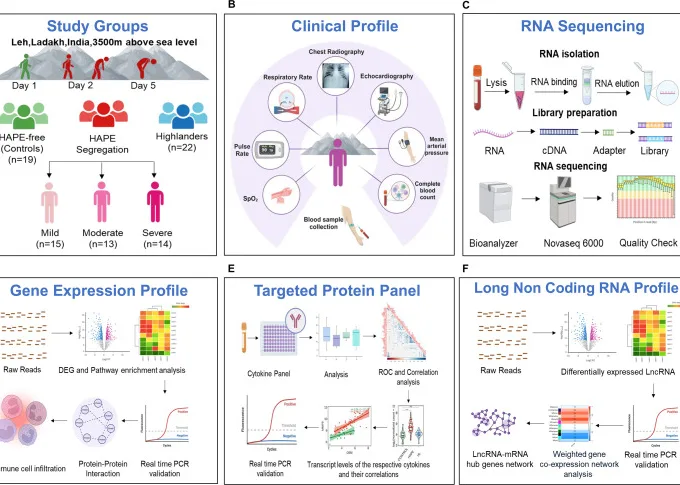
Journal Article
Integrative blood profiling uncovers inflammatory network signatures in high-altitude pulmonary edema.
Singh K, Kumar G K, Ali M, Choudhary R, Khadia M, Rabyang S, Thinlas T, Kumar R, Mishra A
Bioscience reports · 2025
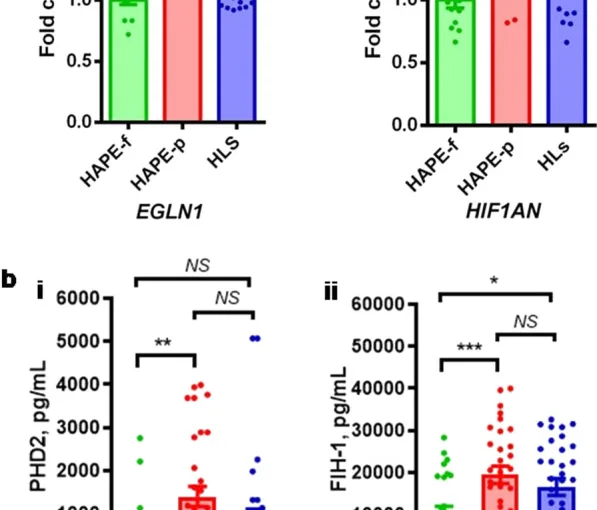
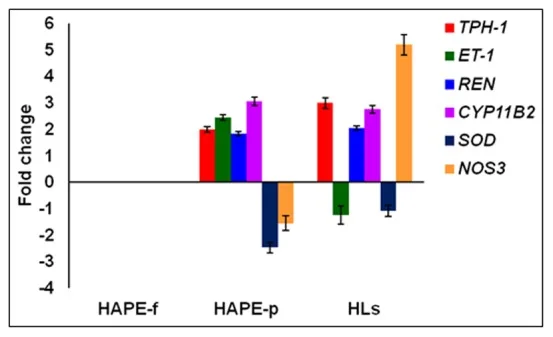
Despite the well-known role of hypoxia-driven inflammatory mediators in the pathogenesis of hypoxic pulmonary hypertension, their involvement in high-altitude (HA) illnesses, particularly high-altitude pulmonary edema (HAPE), remains unclear. The present study uses an integrated clinical, transcriptomic, proteomic, and long noncoding RNA (lncRNA) profiling of 83 individuals, including HAPE patients segregated into mild, moderate, and severe categories, HAPE-free sojourners, and long-term HA residents, to highlight the molecular and immunological changes associated with HAPE and its severity. Clinical assessments revealed significantly reduced peripheral oxygen saturation and elevated respiratory parameters in HAPE patients. Differential gene expression and functional enrichment analyses identified 515 significantly differentially expressed genes, with marked enrichment of inflammatory and hypoxia-associated pathways. Protein-protein interaction network analysis revealed eighteen hub genes, including toll-like receptor (TLR) 2 and Forkhead box O3 (FOXO3), with strong diagnostic potential. Immune cell deconvolution analysis and hematological profiling indicated a prominent increase in neutrophil proportion. Interestingly, oncostatin M (OSM), a hypoxia-regulated predominant cytokine produced by neutrophils, was revealed in the cytokine and transcriptomic profiling, highlighting its role in inflammation and extracellular matrix degradation. Co-expression network analysis notably revealed significant alterations that formed a gene module exhibiting a strong correlation with immune response, leukocyte adhesion, and ncRNA processing pathways. Interestingly, these co-expressed partners, LINC01093 and immune-regulatory genes like interleukin-18 receptor 1 and TLR5, appear to regulate the NF-κB signaling pathway, one of the positively enriched pathways in our analysis. Overall, this multiomics approach highlighted a strong inflammatory signature and lncRNA-mRNA interactions associated with HAPE.
PubMed · PMID 41385345Read publication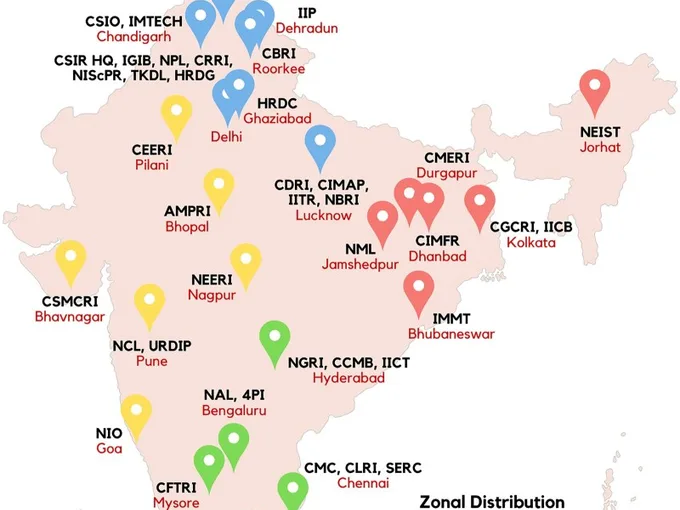
Journal Article
Study research protocol for Phenome India-CSIR Health Cohort Knowledgebase: A prospective multi-modal follow-up study on a nationwide employee cohort.
Phenome India Consortium
Biology methods & protocols · 2025
Predicting individual health trajectories based on risk scores can help formulate effective preventive strategies for diseases and their complications. Currently, most risk prediction algorithms rely on epidemiological data from the Caucasian population, which often do not translate well to the Indian population due to ethnic diversity, differing dietary and lifestyle habits, and unique risk profiles. In this multi-center prospective longitudinal study conducted across India, we aim to address these challenges by developing clinically relevant risk prediction scores for cardio-metabolic diseases specifically tailored to the Indian population. India, which accounts for nearly 18% of the global population, also has a significant diaspora worldwide. This program targets longitudinal collection and bio-banking of samples from over 10 000 employees both working and retirees of the Council of Scientific and Industrial Research and their spouses, with baseline sample collection already completed. During the baseline collection, we gathered multi-parametric data including clinical questionnaires, lifestyle and dietary habits, anthropometric parameters, lung function assessments, liver elastography by Fibroscan, electrocardiogram readings, biochemical data, and molecular assays, including but not limited to genomics, plasma proteomics, metabolomics, and fecal microbiome analysis. In addition to exploring associations between these parameters and their cardio-metabolic outcomes, we plan to employ artificial intelligence algorithms to develop predictive models for phenotypic conditions. This study could pave the way for precision medicine tailored to the Indian population, particularly for the middle-income strata, and help refine the normative values for health and disease indicators in India.
PubMed · PMID 41080463Read publication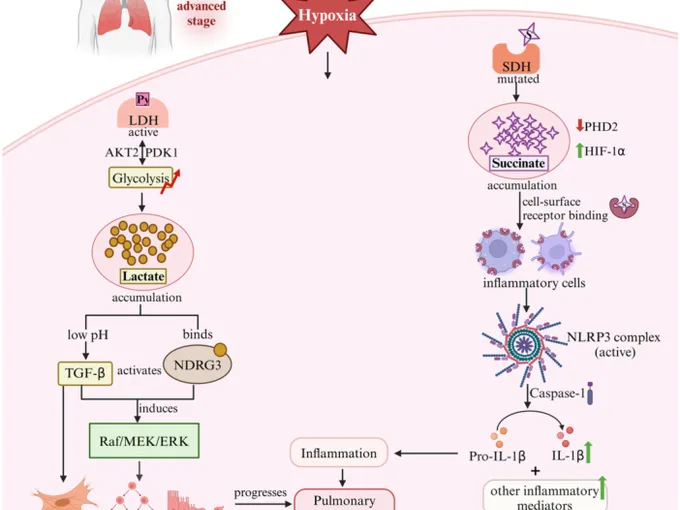
Journal Article, Review
Exploring the Influence of Metabolic Changes in Fibrotic Lung Diseases.
Kumari S, Singh K, Khadia M, Kumar R, Bansal V, Mishra A
Pulmonary circulation · 2025
Fibrotic lung diseases are often characterized by chronic inflammation and the progressive destruction of the vasculature, parenchyma, and airways, leading to cellular metabolic changes. As a result, these changes activate several pathological pathways, contributing to the disease's progression and worsening. However, the precise impact of metabolic changes and their contributions to the progression of fibrotic lung diseases need deeper exploration. The current review highlights the interplay between immunometabolites and hypoxia in bringing out cellular and epigenetic changes that progress and further exacerbate pulmonary fibrosis. Notably, the mitochondrial-linked immunometabolites such as lactate, succinate, 2-hydroxyglutarate (2-HG), fumarate, and itaconate have the potential to determine cellular fate in health and disease. For instance, lactate accumulation is one of the vital factors associated with pulmonary fibrosis (PF). The metabolite succinate promotes hypoxia response, inflammatory markers accumulation, fibroblast activation, and PF, whereas L-2-HG impairs the TCA cycle, reduces glycolysis, and disrupts the nicotinamide adenine dinucleotide (NADH/NAD+) ratio, ultimately leading to dysfunctional mitochondrial respiration and contributing to lung fibrosis. Due to the progressive and degenerative nature of fibrotic lung diseases, individuals affected by them need ongoing clinical support and monitoring. The currently available pharmacological treatments are limited and come with multiple side effects. Therefore, the search for newer therapeutics in the form of small molecules targeting these metabolites is increasingly being formulated to treat chronic fibrotic pulmonary conditions through their exhaustive mechanistic investigations backed by robust preclinical and clinical trials.
PubMed · PMID 40989087Read publicationJournal Article
Assessing the impact of air pollution on the biochemical profiles of selected plant species grown in Gujarat, India.
Gupta A, Mishra A, Singh GP, Singh CP
Environmental monitoring and assessment · 2025
Air pollution is undeniably one of the most destructive environmental hazards, contributing to a wide range of diseases and fatalities worldwide. Additionally, the risks associated with air pollution, including climate change, various respiratory disorders, deaths, and biodiversity loss, have further alarmed society to fight this issue. The need to combat and reduce air pollution levels has become the major challenge of the hour, especially for countries like India, where a number of cities are considered polluted. Given the importance of this issue, the current study investigates the effects of air pollutants on seven different species of plants, including Ficus benghalensis, Azadirachta indica, Plumeria rubra, Tectona grandis, Conocarpus erectus, Euphorbia caducifolia, and Peltophorum pterocarpum, growing in the non-polluted and polluted areas of Gujarat. The proximate parameters including protein, carbohydrate, lipid, chlorophyll, ash, and fiber of these plant species were analyzed. A significant reduction in protein (34-61%), carbohydrate (1.8-65%), lipid (12.5-72%), and chlorophyll (23-59%) and an increase in ash (116.6-433%) and fiber (10-133%) content was reported in plants growing in polluted areas as against the plants grown in non-polluted conditions. These results indicate the detrimental effects of air pollution on vital processes of plants, leading to adversely affecting their fitness and health. The outcome of this study would help in understanding the impact of pollution on plant health and further develop effective strategies and policies for its control and successful regulation.
PubMed · PMID 40483376Read publication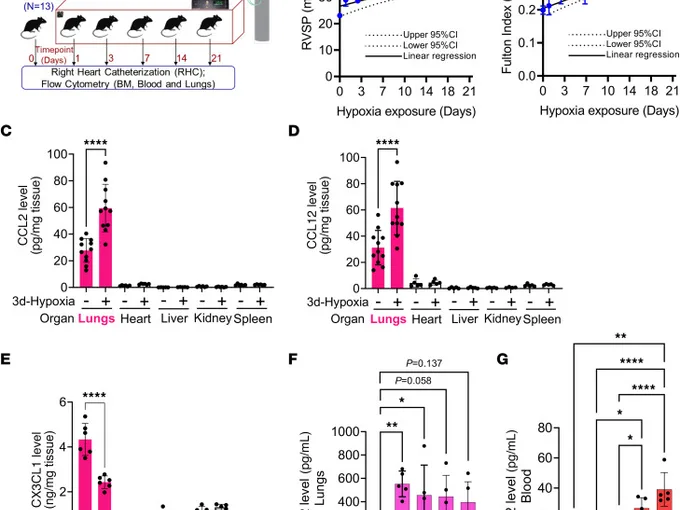
Journal Article
Monocytes and interstitial macrophages contribute to hypoxic pulmonary hypertension.
Kumar R, Nolan K, Kassa B, Chanana N, Palmo T, Sharma K, Singh K, Mickael C, Fonseca Balladares D, Nilsson J, Prabhakar A, Mishra A, Lee MH, Sanders L, Kumar S, Molofsky AB, Stenmark KR, Sheppard D, Tuder RM, Gupta MD, Thinlas T, Pasha Q, Graham BB
The Journal of clinical investigation · 2025
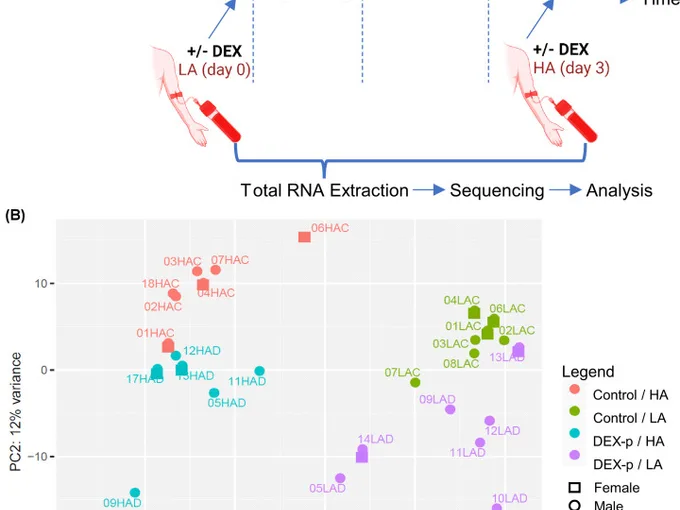
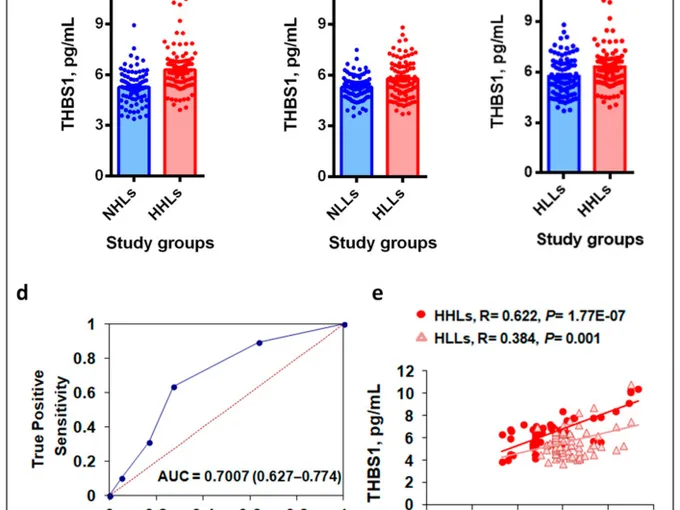
Hypoxia is a major cause of pulmonary hypertension (PH) worldwide, and it is likely that interstitial pulmonary macrophages contribute to this vascular pathology. We observed in hypoxia-exposed mice an increase in resident interstitial macrophages, which expanded through proliferation and expressed the monocyte recruitment ligand CCL2. We also observed an increase in CCR2+ macrophages through recruitment, which express the protein thrombospondin-1, which functionally activates TGF-β to cause vascular disease. Blockade of monocyte recruitment with either CCL2-neutralizing antibody treatment or CCR2 deficiency in the bone marrow compartment suppressed hypoxic PH. These data were supported by analysis of plasma samples from humans who traveled from low (225 m) to high (3500 m) elevation, revealing an increase in thrombospondin-1 and TGF-β expression following ascent, which was blocked by dexamethasone prophylaxis. In the hypoxic mouse model, dexamethasone prophylaxis recapitulated these findings by mechanistically suppressing CCL2 expression and CCR2+ monocyte recruitment. These data suggest a pathologic cross talk between 2 discrete interstitial macrophage populations, which can be therapeutically targeted.
PubMed · PMID 39883518Read publicationJournal Article, Research Support, Non-U.S. Gov't
Evaluation of the cell death markers for aberrated cell free DNA release in high altitude pulmonary edema.
Ali M, Kumar KG, Singh K, Rabyang S, Thinlas T, Mishra A
Clinical science (London, England : 1979) · 2024
The effect of high altitude (HA, altitude >2500 m) can trigger a maladaptive response in unacclimatized individuals, leading to various HA illnesses such as high altitude pulmonary edema (HAPE). The present study investigates circulating cell free (cf) DNA, a minimally invasive biomarker that can elicit a pro-inflammatory response. Our earlier study observed altered cfDNA fragment patterns in HAPE patients and the significant correlation of these patterns with peripheral oxygen saturation levels. However, the unclear release mechanisms of cfDNA in circulation limit its characterization and clinical utility. The present study not only observed a significant increase in cfDNA levels in HAPE patients (27.03 ± 1.37 ng/ml; n = 145) compared to healthy HA sojourners (controls, 14.57 ± 0.74 ng/ml; n = 65) and highlanders (HLs, 15.50 ± 0.8 ng/ml; n = 34) but also assayed the known cell death markers involved in cfDNA release at HA. The study found significantly elevated levels of the apoptotic marker, annexin A5, and secondary necrosis or late apoptotic marker, high mobility group box 1, in HAPE patients. In addition, we observed a higher oxidative DNA damage marker, 8-hydroxy-2'-deoxyguanosine, in HAPE compared with controls, suggestive of the role of oxidative DNA status in promoting the inflammatory potential of cfDNA fragments and their plausible role in manifesting HAPE pathophysiology. Extensive in vitro future assays can confirm the immunogenic role of cfDNA fragments that may act as a danger-associated molecular pattern and associate with markers of cellular stresses in HAPE.
PubMed · PMID 39509268Read publicationJournal Article, Review
Poly (ADP-ribose) Polymerase-1 modulations in the genesis of thrombosis.
Safdar R, Mishra A, Shah GM, Ashraf MZ
Journal of thrombosis and thrombolysis · 2024
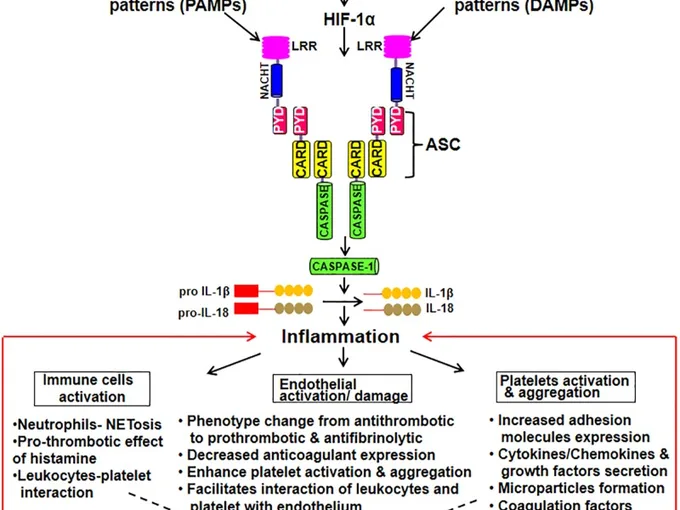
Thrombosis, a coagulation disorder, occurs due to altered levels of coagulation, fibrinolytic and immune factors, which are otherwise known to maintain hemostasis in normal physiological conditions. Here, we review the direct and indirect participation of a multifunctional nuclear enzyme poly (ADP-ribose) polymerase-1 (PARP1) in the expression of key genes and cellular processes involved in thrombotic pathogenesis. PARP1 biological activities range from maintenance of genomic integrity, chromatin remodeling, base excision DNA repair, stress responses to cell death, angiogenesis and cell cycle pathways. However, under homeostatic imbalances, PARP1 activities are linked with the pathogenesis of diseases, including cancer, aging, neurological disorders, and cardiovascular diseases. Disease-associated distressed cells employ a variety of PARP-1 functions such as oxidative damage exacerbations, cellular energetics and apoptosis pathways, regulation of inflammatory mediators, promotion of endothelial dysfunction, and ERK-mediated signaling in pathogenesis. Thrombosis is one such pathogenesis that comprises exacerbation of coagulation cascade due to biochemical alterations in endothelial cells, platelet activation, overexpression of adhesion molecules, cytokines release, and leukocyte adherence. Thus, the activation of endothelial and inflammatory cells in thrombosis implicates a potential role of PARP1 activation in thrombogenesis. This review article explores the direct impact of PARP1 activation in the etiology of thrombosis and discusses PARP1-mediated endothelial dysfunction, inflammation, and epigenetic regulations in the disease manifestation. Understanding PARP1 functions associated with thrombosis may elucidate novel pathogenetic mechanisms and help in better disease management through newer therapeutic interventions targeting PARP1 activity.
PubMed · PMID 38787496Read publication